ENFCO has just published its Whistleblowing Framework 2026, a document of over 100 pages that analyzes the direction in which whistleblowing systems are evolving in Europe.
After reading it, four ideas stood out to me as particularly interesting.
1. The absence of complaints does not mean there are no risks.
The report introduces a very interesting concept: Silence Mapping.
It is not enough to simply count how many complaints an organization receives. We must analyze where complaints are not being filed and cross-reference that information with indicators such as workplace climate surveys or trust levels.
If a high-risk area has gone years without a single report, perhaps the problem isn’t that everything is working well. Perhaps no one simply dares to speak up.
2. A reporting channel is much more than just a suggestion box.
ENFCO considers the use of external SaaS platforms—accessible via the public web, allowing for anonymous tracking through a case identifier, and designed to ensure independence, confidentiality, and traceability—as a benchmark.
The difference between complying with the law and building trust often lies precisely there.
The external SaaS channel is the “gold standard.” The document is explicit: the channel must be accessible from the company’s public website (not just the intranet), allow anonymous tracking by case ID, and be managed by an external provider. It is not an email inbox. It is a system.
3. The channel should not be isolated.
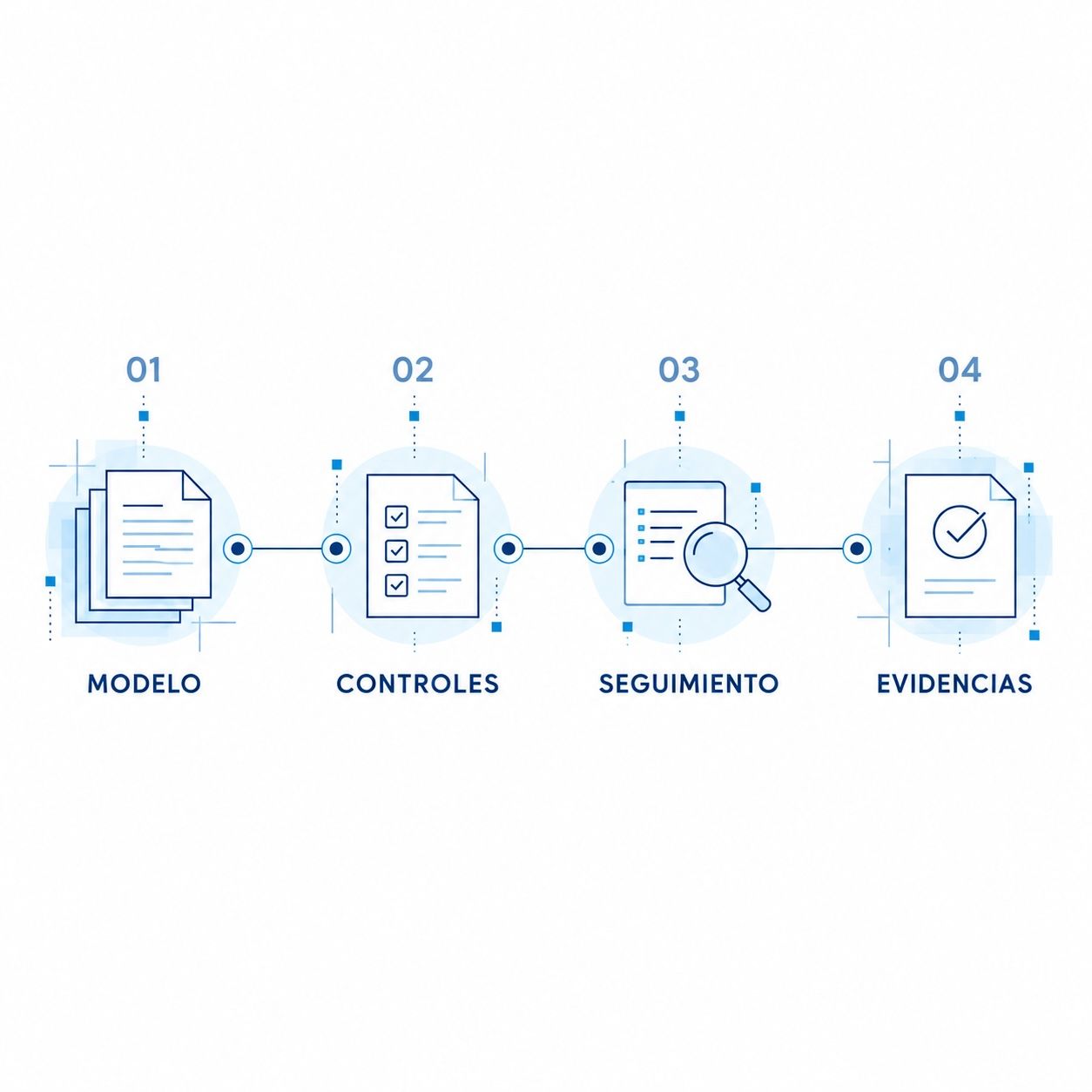
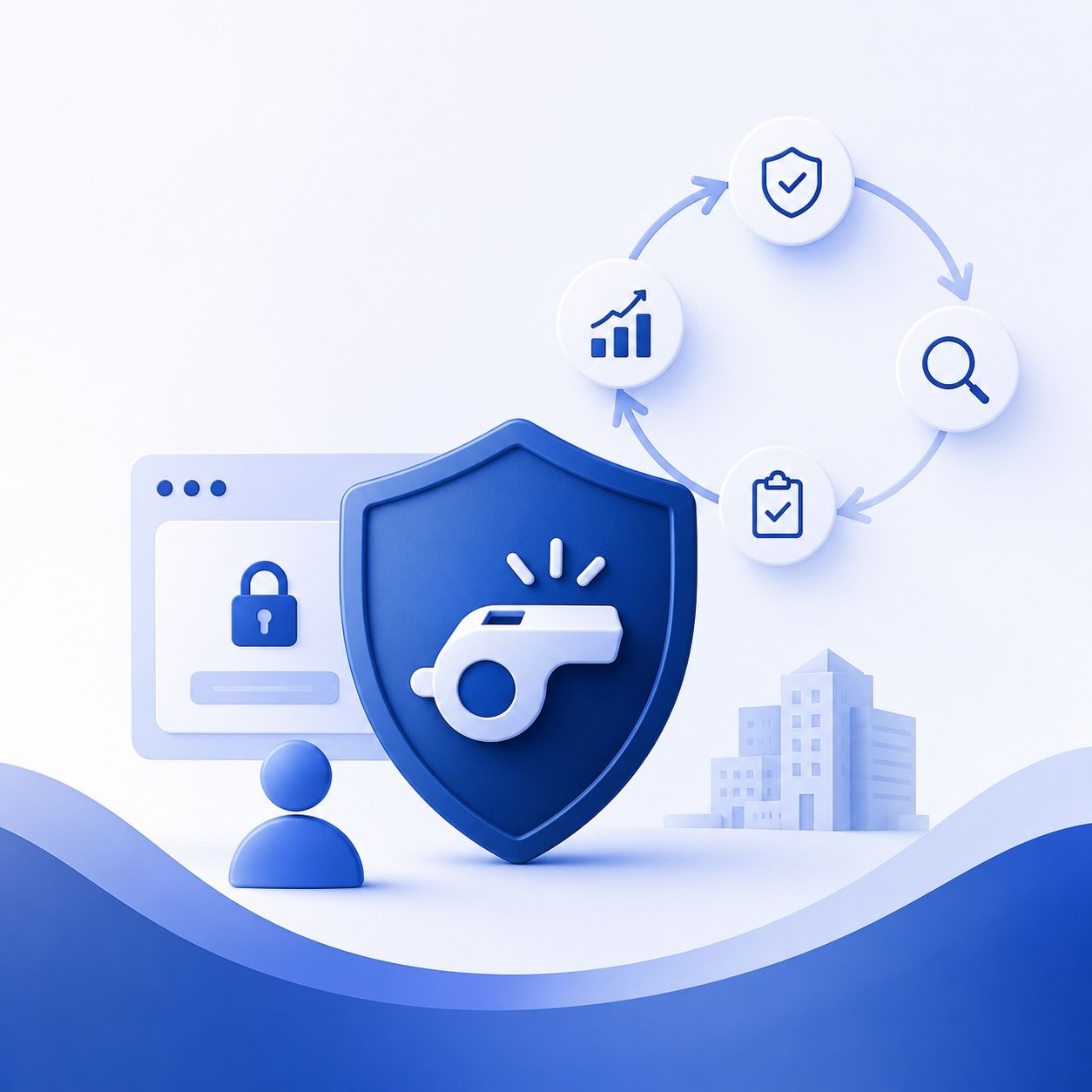
One of the document’s clearest recommendations states that whistleblowing should be integrated into the overall compliance system and follow a continuous cycle of:
Prevent → Detect → Investigate → Correct.
The channel serves as the entry point for information, but its true value becomes apparent when that information informs risk management, internal controls, investigations, policies, training, and continuous improvement.
4. The channel’s reach continues to grow.
The document highlights that whistleblowing systems are already beginning to play a significant role in regulatory frameworks such as the EU AI Act, CSRD, and ESG.
Everything points to the whistleblower channel evolving from a one-off requirement into one of the pillars upon which compliance will be built in the coming years.
In short, the report’s message is clear:
The whistleblower channel is no longer just a mandatory regulatory “check.” It is one of an organization’s primary early-warning systems and a key tool for strengthening its resilience.
Highly recommended reading for any compliance professional.
📄 The ENFCO Whistleblowing Framework – June 2026