In an increasingly regulated and competitive world, trust has become a strategic asset. To protect it, companies must have effective tools to prevent corruption and reinforce their ethical culture. ISO 37001, the international standard for anti-bribery management systems, has established itself as one of the most relevant frameworks for achieving this.
What is ISO 37001 and what is it for?
ISO 37001 is a standard published by the International Organization for Standardization (ISO) that establishes requirements for implementing, maintaining and improving an anti-bribery management system.
Its main purpose is to help organizations prevent, detect and respond to bribery and corruption risks, both in their internal operations and in their relations with third parties (customers, suppliers, partners, etc.).
In practice, having this certification means demonstrating to employees, partners, authorities and society that the organization:
- It has a firm commitment against corruption.
- Applies preventive and corrective controls.
- It has clear mechanisms in place to manage complaints and ethical risks.
You can purchase the 37001 report from aenor.
When is ISO 37001 important?
Although any organization can benefit, ISO 37001 is particularly relevant in scenarios such as:
- Companies working with public administrations, where bribery risks are higher.
- International organizations, which must comply with different regulatory frameworks and compliance standards.
- Sensitive sectors (infrastructure, construction, pharmaceuticals, energy, finance) where the risk of corruption is higher.
- SMEs seeking to be more competitive in bids or with large clients who demand compliance guarantees.
In summary: the greater the company’s exposure to third party relationships, public contracts or international markets, the more critical it is to implement a certified anti-bribery system.
Main requirements of ISO 37001
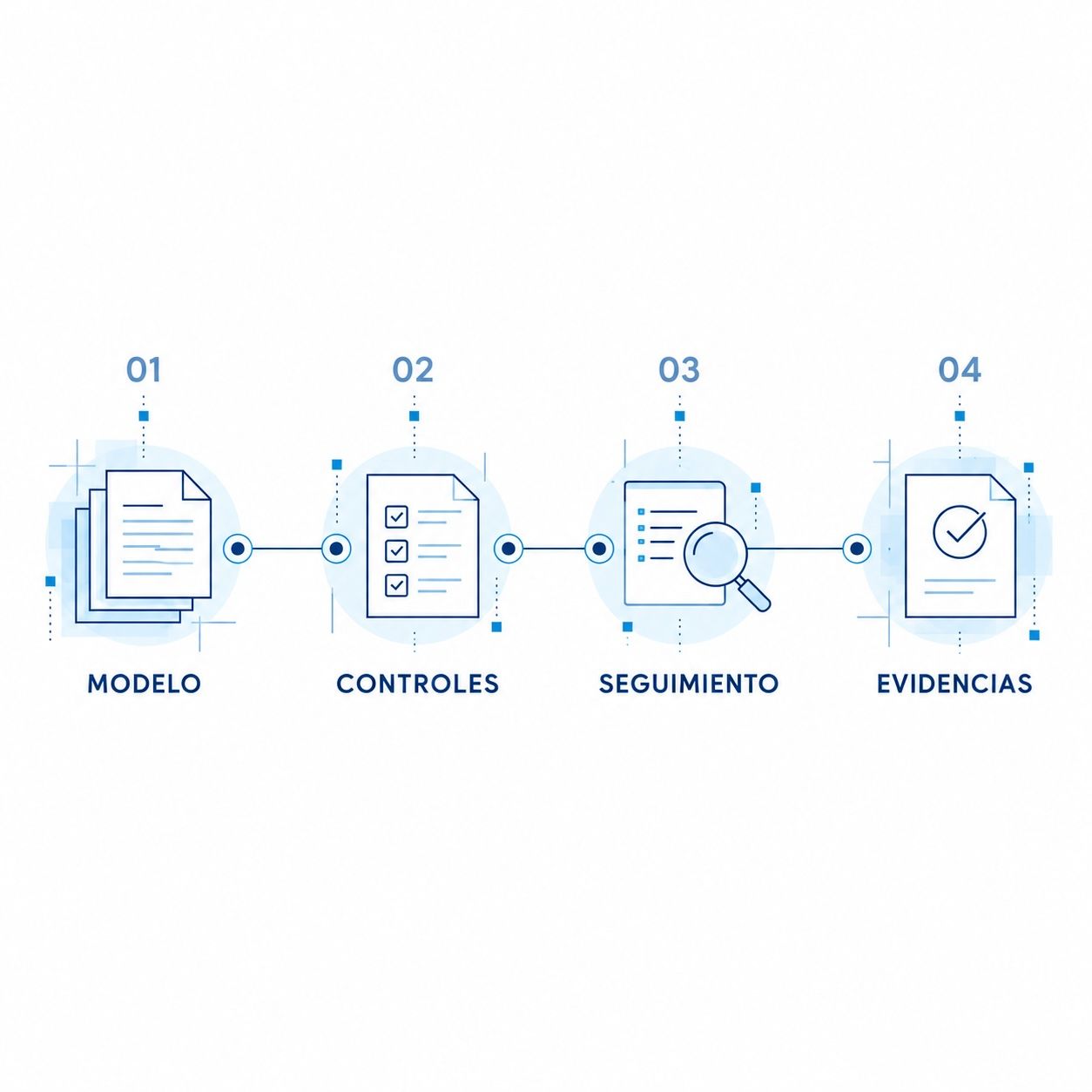
The standard does not merely state intentions, but requires the implementation of concrete and verifiable measures. Among the most salient requirements are:
- Senior management commitment and definition of anti-bribery policies.
- Analysis of risks related to corruption and bribery.
- Financial and non-financial controls that hinder illicit practices.
- Due diligence in the hiring of suppliers, customers or business partners.
- Employee and management training and awareness.
- Confidential and secure reporting channels, accessible to employees and third parties.
- Incident investigation and response, with sanctions and corrective actions.
- Periodic review and continuous improvement of the system.
The key role of the whistleblower channel
One of the most relevant points of ISO 37001 is the requirement for an effective reporting mechanism that allows employees and third parties to report, confidentially and without retaliation, suspicions of corruption or non-compliance.
The whistleblower channel thus becomes a strategic tool:
- Facilitates early detection of irregularities.
- Protects the company’s reputation, preventing problems from being amplified.
- Reinforces the culture of integrity by demonstrating that the company listens to and protects whistleblowers.
- It also complies with other complementary regulations, such as Law 2/2023 in Spain on whistleblower protection.
Conclusion
Adopting ISO 37001 is not just a matter of certification, but a strategic decision to strengthen the organization’s confidence, transparency and competitiveness.
In a context where public administrations, large clients and society are increasingly demanding more responsibility from companies, having a certified anti-bribery system and an effective whistleblower channel is no longer a “plus” but an essential competitive advantage.
From ithikios, we provide an optimal whistleblower channel to comply with ISO37001 at a reasonable price.